
A single client view, with lineage attached
Core banking, CRM, lending, custody and risk systems each hold part of the client picture and none of them agree on the identifier. The single client view has been on the roadmap for a decade because every attempt has been a migration program rather than a mapping problem.
Why the single client view keeps being deferred
One client, five identifiers
A counterparty exists in core banking, CRM, the lending platform and two acquired subsidiaries’ systems, under different keys and slightly different names.
Reporting is reconciled by hand
Regulatory and management reporting depends on extracts stitched together in spreadsheets, where the lineage of any given figure lives in somebody’s head.
Nothing may leave the perimeter
Client data residency and third-party risk rules constrain what can be sent to an external service, which rules out most of the AI tooling on offer.
Client, product, exposure and risk in one governed model
SetMeld resolves entities across systems so a counterparty is one node with many source representations, then keeps the model in sync continuously. Every figure derived from the graph can be traced to the systems that produced it, which is what makes it defensible.
Representative systems. SetMeld connects to any structured dataset you have credentials for. No migration, no modernization prerequisite.
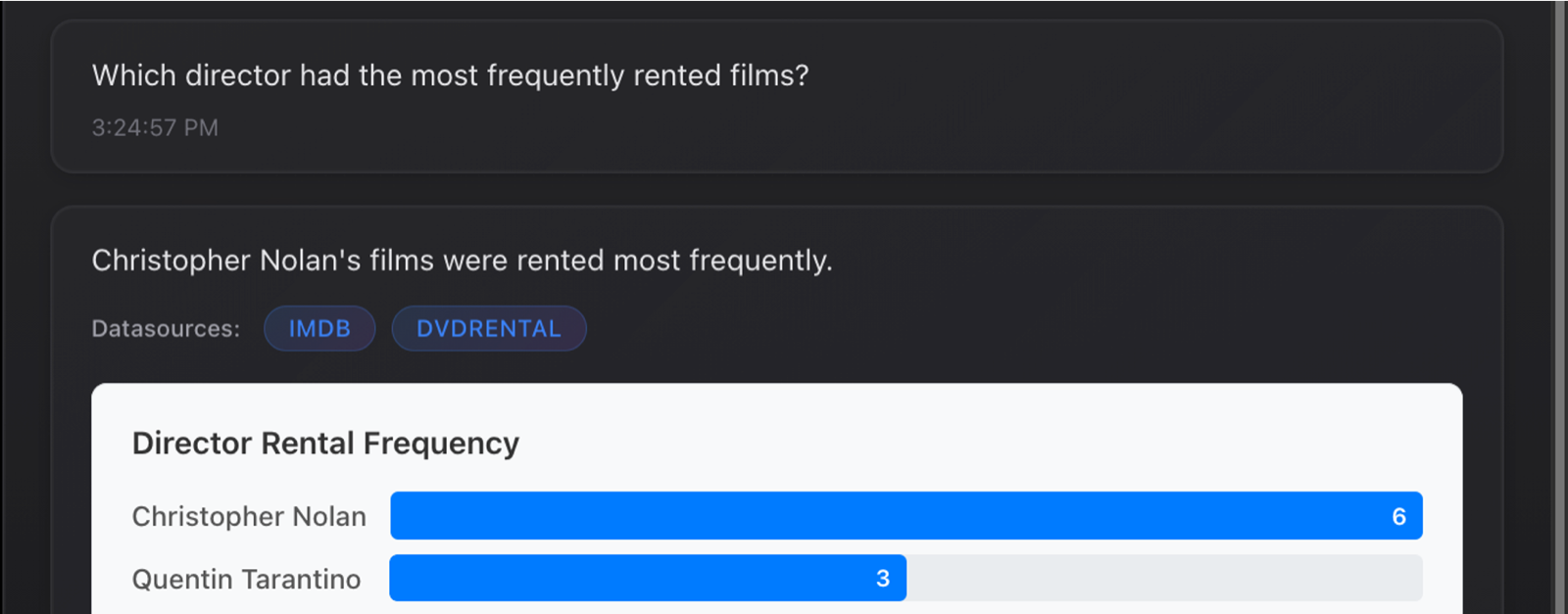
Answered in one query, with provenance
- What is our total exposure to this counterparty across every product and legal entity?
- Which clients appear under more than one identifier, and what does that do to our limits?
- Where did this reported figure come from, field by field and system by system?
- Which records fail our data quality rules before they reach the regulatory return?
- What does the combined book look like across an acquired entity’s systems and our own?
Why the answer is trustworthy
Every result is computed over governed, unified records rather than retrieved from a pile of text. Each answer carries datasource attribution back to the systems that produced it, and agents querying the graph inherit the same access controls as the people who own the underlying data.
The integration is generated, verified by our experts and approved by your team.
Deploy on-prem, in private cloud, or as SaaS with the graph resident in your network.
New sources are additional connections at no additional project cost.
What changes for a bank or asset manager
Lineage you can evidence
Provenance on every record turns “where did this number come from” from an investigation into a query.
Faster close and reporting
Reconciliation moves from manual spreadsheet work into a governed model that recomputes as sources change.
Inside your perimeter
Self-hosted deployment with a model of your choosing means client data and schema samples never leave your network.
Start with the counterparty nobody can total up
That single client view is the shortest path to seeing what a unified model is worth.